Français
  Nederlands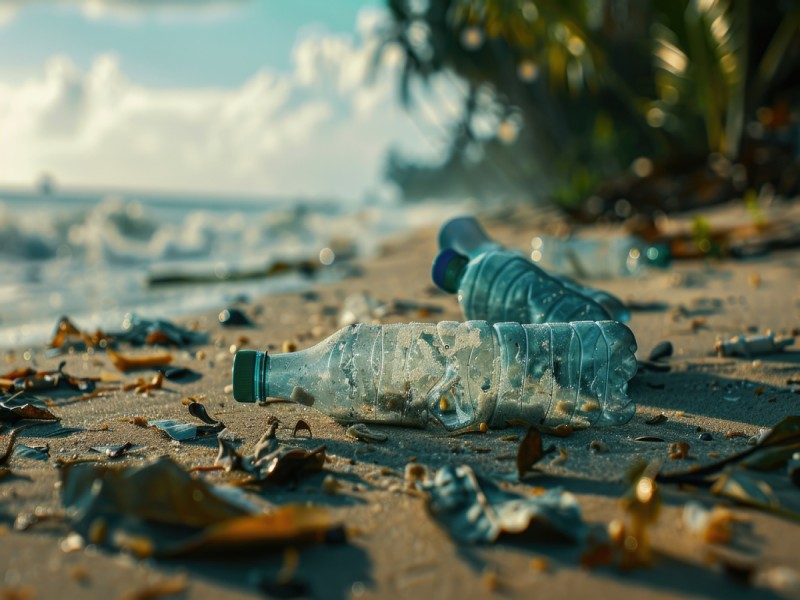
The scale of the plastic crisis
The escalation of plastic pollution in our oceans is currently one of the most serious and complex environmental threats of this century. Every year, millions of tons of plastic waste end up in rivers, coastal areas, and eventually the oceans. A significant portion of this waste consists of single-use plastics such as bottles, packaging, straws, bags, and fishing nets. Under the influence of sunlight, saltwater, and wave action, these materials slowly break down into increasingly smaller fragments without ever fully disappearing.
These microscopic particles, known as microplastics, are now found in virtually all marine ecosystems. They are present in the water column, on the ocean floor, and even in the most remote regions of the planet, such as the polar areas and deep ocean trenches. Plastic pollution has therefore become a global problem with no borders.
The impact on marine life
Microplastics and larger plastic debris pose a severe threat to marine life. Seabirds, turtles, fish, whales, and seals often mistake plastic for food. This leads to digestive blockages, reduced nutrient absorption, and sometimes death by starvation. Many animals are also trapped in abandoned fishing nets and other debris, resulting in injury, suffocation, or drowning.
Beyond physical harm, plastic particles can absorb toxic chemicals present in seawater. When animals ingest these particles, the chemicals can accumulate in their bodies and enter the food chain.
Plastic in the food chain
Researchers are increasingly finding microplastics in fish, shellfish, drinking water, and even agricultural soils. Although the exact effects on human health are still being studied, concerns are growing about long-term exposure to these particles. Scientists are particularly investigating potential impacts on the immune system, hormonal balance, and inflammatory responses.
Because plastic takes an extremely long time to break down, it can remain in the environment for decades or even centuries, leading to continuous accumulation in ecosystems.
The ocean “plastic soup”
The alarming formation of the so-called plastic soup illustrates the global scale of this crisis. Ocean currents concentrate large amounts of waste in specific marine regions. Some of these areas cover hundreds of thousands of square kilometers. Contrary to the image of a floating island of trash, most of it consists of microscopic plastic fragments that are difficult to detect and remove.
A significant portion of plastic does not remain on the surface: it sinks to the ocean floor or washes up on beaches, where it continues to cause long-term environmental damage.
Solutions for a sustainable future
Combating plastic pollution requires international cooperation between governments, businesses, scientists, and citizens. Many countries are already introducing measures to reduce single-use plastics, improve recycling systems, and hold producers accountable.
Innovation also plays a key role. New biodegradable materials, advanced recycling technologies, and sustainable packaging solutions can significantly reduce plastic waste. Organizations are also working to remove plastic from rivers and oceans before it spreads further.
Consumers can also make a difference by using reusable products, reducing packaging consumption, and choosing sustainable alternatives. While individual actions alone are not enough, they contribute to meaningful global change.
A shared responsibility
The plastic crisis is a global issue that can only be solved through collective effort. By drastically reducing single-use plastics, developing a circular economy, and investing in sustainable innovation, we can significantly reduce ocean pollution. This helps protect marine biodiversity, human health, and the ecological balance of our planet for future generations.